
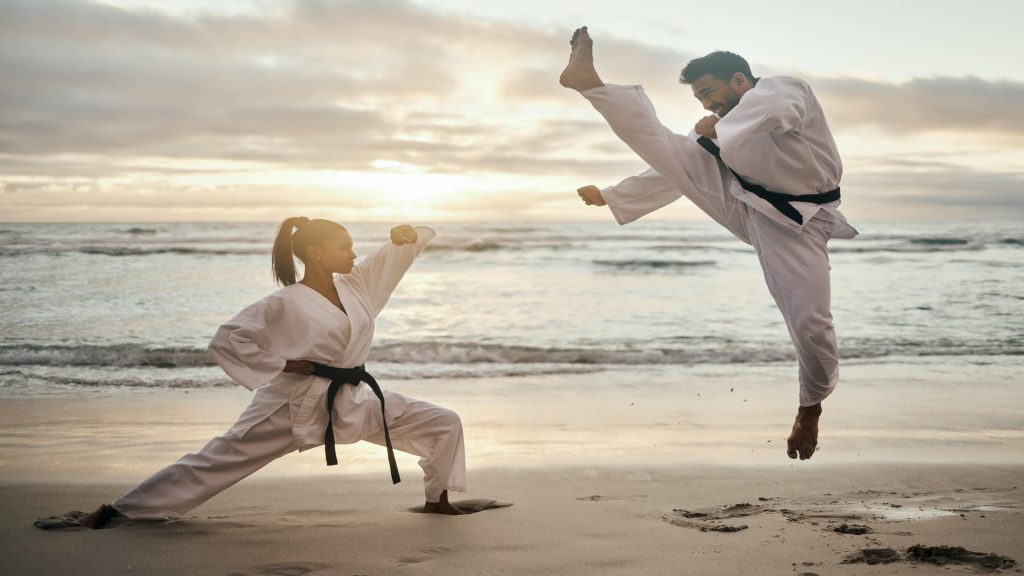
Why Martial Arts Is More Than Just Fighting
Martial arts are often misunderstood as being solely about physical combat. At its core, a martial art is a codified system of traditions—from the wrestling pits of Ancient Egypt to the samurai schools of Japan. While Hollywood movies focus on the action, these practices serve a much deeper purpose: they are a path toward physical fitness, mental discipline, and spiritual growth.
The Two Main Pillars of Martial Arts: Striking And Grappling
Most systems are understood by their technical approach. Striking arts, like Karate, Boxing, and Muay Thai, focus on speed and precision using hands, feet, knees, and elbows. In contrast, grappling arts, such as Judo and Brazilian Jiu-Jitsu, use leverage and joint locks to prove that technique can overcome raw size and strength.
From Ancient Warfare to Modern Growth
The history of martial arts is a journey from the battlefield to the gymnasium. In the 19th and 20th centuries, many systems were “sportified,” moving away from lethal intent toward regulated competition like the Olympics or MMA.
- The “Martial” Side: Remains alive in systems like Krav Maga, designed for real-world self-defense.
- The “Art” Side: Flourishes in styles like Tai Chi, focusing on internal energy and longevity.
The Mental Edge: Focus and Resilience
Martial arts serve as a form of “moving meditation.“ In a world full of distractions, the dojo requires absolute presence.
- Mental Focus: Practicing a complex kata or sparring sharpens concentration and cognitive clarity.
- Stress Relief: Physical exertion provides a healthy outlet for frustration, while breathing techniques help regulate the nervous system and reduce anxiety.
Building Unshakeable Confidence and Discipline through Martial Arts
The confidence gained isn’t about being “tougher” than others; it’s about knowing your own capabilities. Progressing through a belt system teaches that mastery comes from consistent effort rather than raw talent.
Furthermore, martial arts instill discipline as a lifestyle. The rituals of respect—like bowing to your peers and instructors—build a sense of order. This habit of showing up and working hard, even when motivation is low, naturally spills over into professional productivity and personal relationships.
Physical Mastery and Longevity
Unlike many sports that focus solely on winning, martial arts emphasize functional movement.
- Flexibility and Stamina: Training improves range of motion and heart health, which are vital for aging gracefully.
- Body Awareness: You learn to move efficiently, significantly reducing the risk of injury in everyday life.
Conclusion: A Path to Personal Growth
Ultimately, martial arts is a journey of self-discovery. It forces you to face your weaknesses—be it a lack of patience or physical fatigue—and work through them in a supportive environment. The “martial” aspect is just the beginning; the real “art” is the better person you become through the process.